
Diamond Education
What Is a Round Brilliant Cut Diamond?
The Innocence team · 4 October 2026 · 3 min read
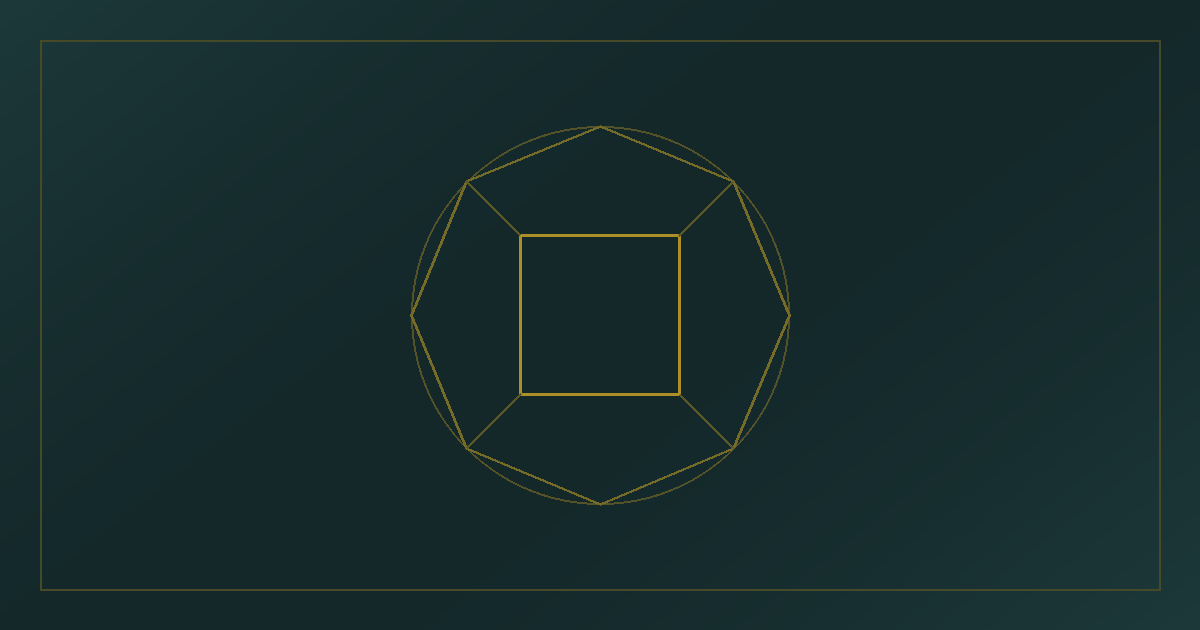
The round brilliant is the cut designed to send as much light as possible back to your eye. Here is how its facets work and what makes a good one.
If you picture a diamond, you are probably picturing a round brilliant. It is the most common diamond cut in the world and the shape for which cut grades were developed.
What it is
A round brilliant is a round diamond with a pattern of triangular and kite-shaped facets designed to reflect light inside the stone and return it through the top. It typically has 57 facets, or 58 if a tiny facet called the culet is cut at the bottom point.
The parts of the stone
- Table: the large flat facet on top.
- Crown: the upper part, between the table and the girdle, with angled facets.
- Girdle: the thin edge around the stone, where it is held by the setting.
- Pavilion: the lower part, shaped like a cone, with facets that reflect light.
- Culet: the point at the bottom, sometimes a tiny facet.
How it sparkles
Light enters through the table and crown, travels to the pavilion and bounces off the facets there, then leaves through the top. If the angles are right, nearly all the light that enters comes back up to your eye. That is brilliance. The crown facets split some of the light into colours, which is fire, and the pattern of bright and dark flashes as you move is scintillation.
Where the design came from
The modern round brilliant was shaped by cutters and mathematicians in the late nineteenth and early twentieth centuries, who worked out proportions that maximise light return. Today's cutters follow refined versions of those ideas, aided by precision tools.
What makes a good one
Proportions matter more than the number of facets:
- A table and depth that are balanced, so that light is not lost through the sides or the bottom.
- Crown and pavilion angles that match.
- Even, symmetric facets and a smooth polish.
- A girdle that is neither too thin nor too thick.
A good laboratory report gives a cut grade for round brilliants. See diamond cut grades explained.
Why it costs more
Cutting a round brilliant from rough often means removing more material than cutting other shapes, and demand for rounds is high. A round of a given quality usually has a higher price per carat than an oval or a pear of the same quality. See why two diamonds of the same carat cost different.
Where it works best
The round brilliant suits solitaires, studs, pendants and stacked rings. It is also the usual shape for the small stones set into pavé and cluster pieces. It is the safest shape for daily wear because it has no sharp corners.
When another shape might suit you more
If you prefer a longer line, a vintage feel or a larger look for the weight, consider other shapes. See diamond shapes guide and oval vs round vs cushion diamond engagement rings.
How to see it for yourself
Hold a round brilliant under a spotlight and tilt it slowly. Watch for even sparkle across the face. If areas look dark or dull, ask why. You can explore round-stone designs in our diamond earrings, and book an appointment to compare stones in person.